How Consoles Shaped Home Gaming
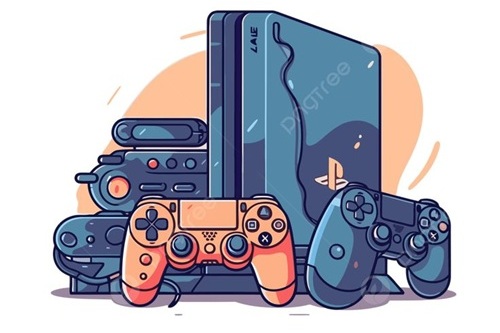
Game consoles changed the way people experienced games at home. Instead of visiting an arcade, players could buy a system, connect it to a television, and enjoy a growing library of titles whenever they wanted. Early systems were simple, but each generation added better graphics, improved sound, larger storage, and more advanced controllers. Over time consoles also became all in one entertainment devices with internet access, downloadable games, media apps, and online multiplayer. The success of home consoles helped gaming move into everyday life because families could share a system in the living room and children could grow up with memorable characters and game worlds. Companies such as Nintendo, Sony, and Microsoft shaped different eras of console history by focusing on unique exclusives, controller ideas, and online services. Hardware still matters because performance, comfort, and game availability all affect the player experience.
Why Consoles Are Still Popular
Modern consoles continue to compete by offering speed, convenience, and access to large digital libraries. Fast solid state storage makes games load much quicker than in the past, while subscription services make it easier for players to try different titles without buying each one separately. Controllers are also more advanced, with motion input, adaptive triggers, vibration feedback, and accessibility options that help more people enjoy games. Even though many gamers now play on computers or phones, consoles remain important because they offer a simple setup and a consistent experience. A person can buy one box, sign in, and start playing without worrying too much about system requirements. Consoles also create strong communities because friends often choose the same platform for multiplayer gaming. This page shows why consoles remain one of the main foundations of the gaming industry.